
Learning how to care for a suit isn’t just getting it dry cleaned every other week. In fact, excessive cleaning can do more harm than good. Your suit naturally accumulates dirt, dust and moisture throughout daily wear, but over-cleaning can dramatically reduce its lifespan and compromise the structure of the fabric.
If you wear a suit regularly for work, client meetings or events, you’re exposing it to sweat, friction, food, dust and environmental pollutants almost every day. Over time, these elements become trapped in the fibres of the fabric. Without proper suit maintenance, this can cause your suits to lose shape, fade prematurely and wear out much faster than they should.
For most men, tailoring is one of the biggest investments in their wardrobe. No matter the fabric, fit or price point, understanding how to protect your suit is essential if you want it to retain its structure and appearance for years to come.
Fortunately, a few smart habits can significantly extend the life of your tailoring. Here are our essential suit care tips.
1. How To Clean A Suit Properly
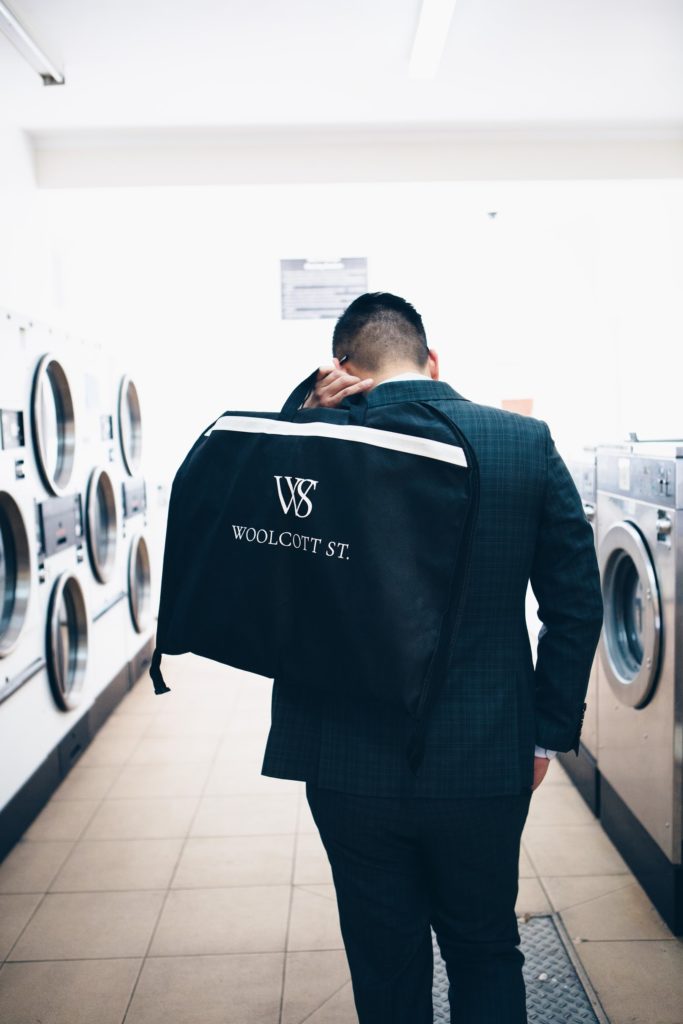
One of the biggest misconceptions around how to care for a suit is that frequent dry cleaning is necessary.
Most dry cleaners use chemicals such as Perchloroethylene, which strip natural oils from the fabric fibres over time. Excessive dry cleaning weakens the cloth, causing the fabric to become brittle and shortening the life of your garment.
So, how often should you dry clean a suit?
Ideally, only when absolutely necessary. Depending on how often you wear it, this may mean every six months — or even less frequently for occasional wear.
Between cleans, focus on smarter suit maintenance practices instead:
- Spot clean minor stains immediately
- Hang your suit to air after wearing
- Use a quality suit brush or lint roller after each wear
- Steam wrinkles gently rather than ironing aggressively
These small habits reduce the need for dry cleaning while helping preserve the shape and integrity of the fabric.
For wrinkles, a handheld steamer is one of the best investments you can make, even for that wrinkled t-shirt you pull out of the wash 15 minutes before you need to leave the house!. Steam relaxes the fabric without damaging it, helping your suit look fresher while protecting the internal structure.
For suit cleaning, turn the heat to the lowest setting and gently steam the fabric. Avoid steaming the chest area too much, as excessive heat may ruin the internal canvas. After steaming, your suit will look good as new and feel much fresher.
2. Rotate Your Suits Properly
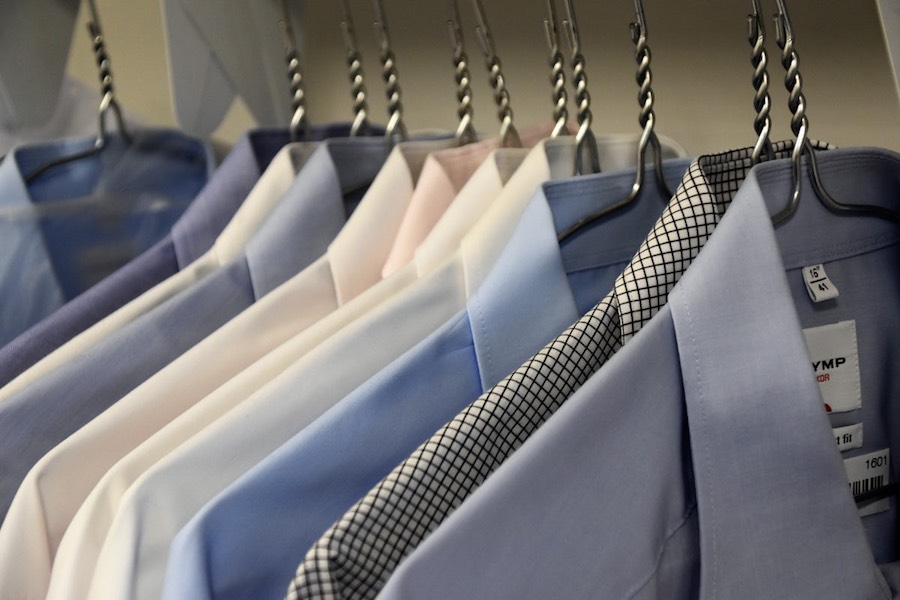
One of the simplest ways to learn how to make a suit last longer is to stop wearing the same one every day.
If you’re wearing a suit every day, try to have at least 5 to rotate between, but you could have up to ten different suits. To mix things up you could also include a business casual look to your repertoire if suitable for your workplace, to help your suits go the distance (not to mention add some much-needed versatility to your wardrobe).
As a rule of thumb, only wear a suit once per week. Wool suit in Sydney is a remarkable fibre, however, you need to give your garment time to rest and recover, which takes around a week. Doing this will mean that creases will drop out and odours will dissipate. Any moisture within the fibres will also evaporate, meaning that your garments won’t shine up and will fade quickly.
3. Proper Fit Matters More Than You Think
An ill-fitting suit not only looks bad, but it makes it easier for your suits to wear and tear, particularly if the suit is too small. Suits are made to breathe and stretch a little; after all, you do want to be able to move! But constant straining of the fabric in a too-small suit can wear your suits down quickly, particularly across the back and chest, and even across the thighs of your trousers.
A suit that is too large or too long can also wear more quickly, however. Trousers that are too long can collect dust and debris while walking, and a long or large sleeve can hang, with the danger of getting snagged, or being dipped in your morning coffee!
When in doubt, tailor-made suits are your best bet when it comes to ensuring your suit fits like a glove. Find out why tailor-made suits will revolutionise your world here.

4. How To Store A Suit Properly
Knowing how to store suits properly is one of the most overlooked aspects of long-term suit care.
Always store your suits on wide wooden hangers to support the shoulders and maintain the structure of the jacket. Avoid overcrowding garments in your wardrobe, as suits need airflow to properly release moisture and odours.
If your suit feels damp or heavily worn after a long day, allow it to air out in an open space before returning it to the cupboard.
Proper storage helps maintain the shape of your tailoring and is one of the easiest ways to protect your suit over time.
5. Choose The Right Fabric For The Occasion
Part of learning how to make a suit last longer comes down to wearing the right fabrics in the right environments. If you wear suits every day, all year round, you’ll need a variety of suit types.
Wearing a heavy-weight woollen suit in summer isn’t only uncomfortable, it can make you sweat unnecessarily, and all that extra sweat will seep into the fibres of your suit.

Likewise, you don’t want to opt for a linen suit in Sydney when the weather gets cooler. Linen is great for its breathability, but it stains and creases easily, so isn’t great if you’re planning on a big day out or a long dinner.
Knowing your fabric weights and choices is crucial when it comes to ensuring the longevity of your suits. Your tailor can give you advice on which fabrics are suitable for which occasions and which suit types will work best with your lifestyle. For instance, if you’re a long-haul frequent flyer for business, you may want a more hard-wearing suit that won’t crease when you sit down for long periods of time.
To find out more about which suit types will work best for you, and to hear more about correct suit maintenance, book a fitting today or discover more about our process here.